
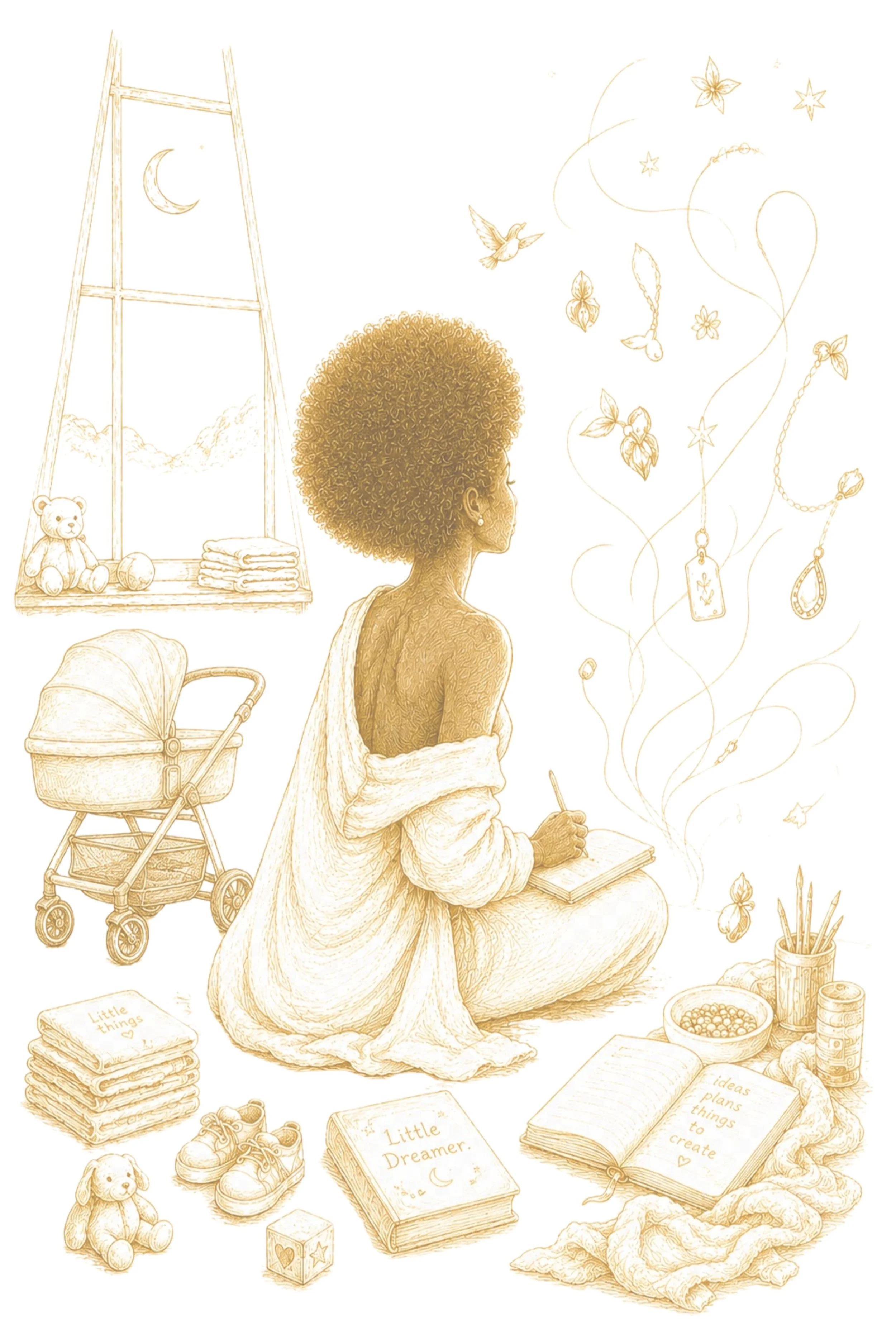
Not Unhappy. Just Unfinished
Not Unhappy. Just Unfinished. is an inward reflection on motherhood, identity, and the quiet desire for something beyond responsibility. Rather than questioning love or gratitude, the piece explores the space between caregiving and becoming, and the longing to create, grow, and remain connected to oneself while caring deeply for others.
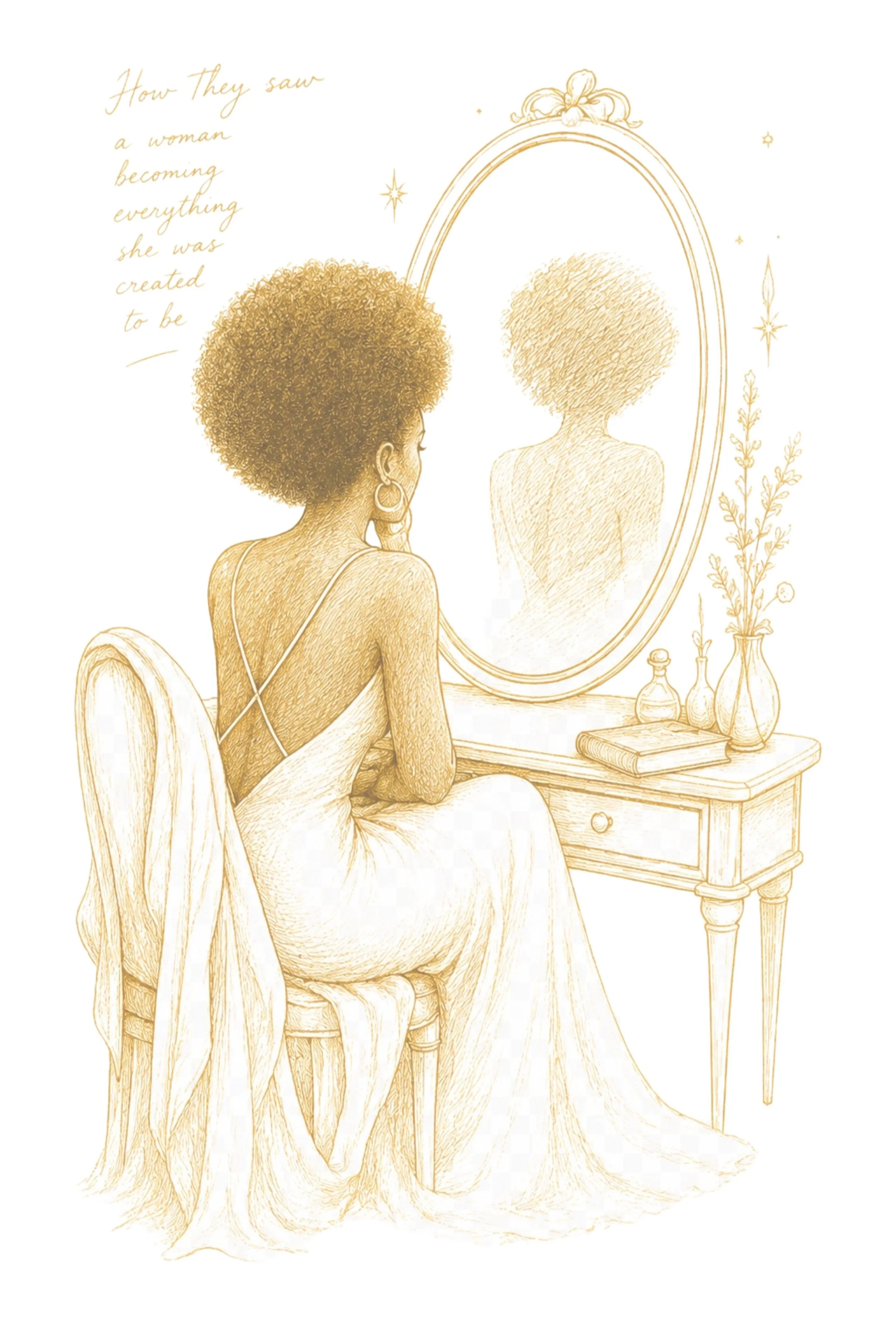
How do they see me?
How They See Me is a reflection on invisible labour, care, and the quiet work that holds everything together. Moving through roles as a woman, partner, and mother, Hami examines what is seen and what is overlooked, and how much effort it takes to make life appear effortless. The piece honors care as something weighty and meaningful, and reframes being seen as something that begins from within.
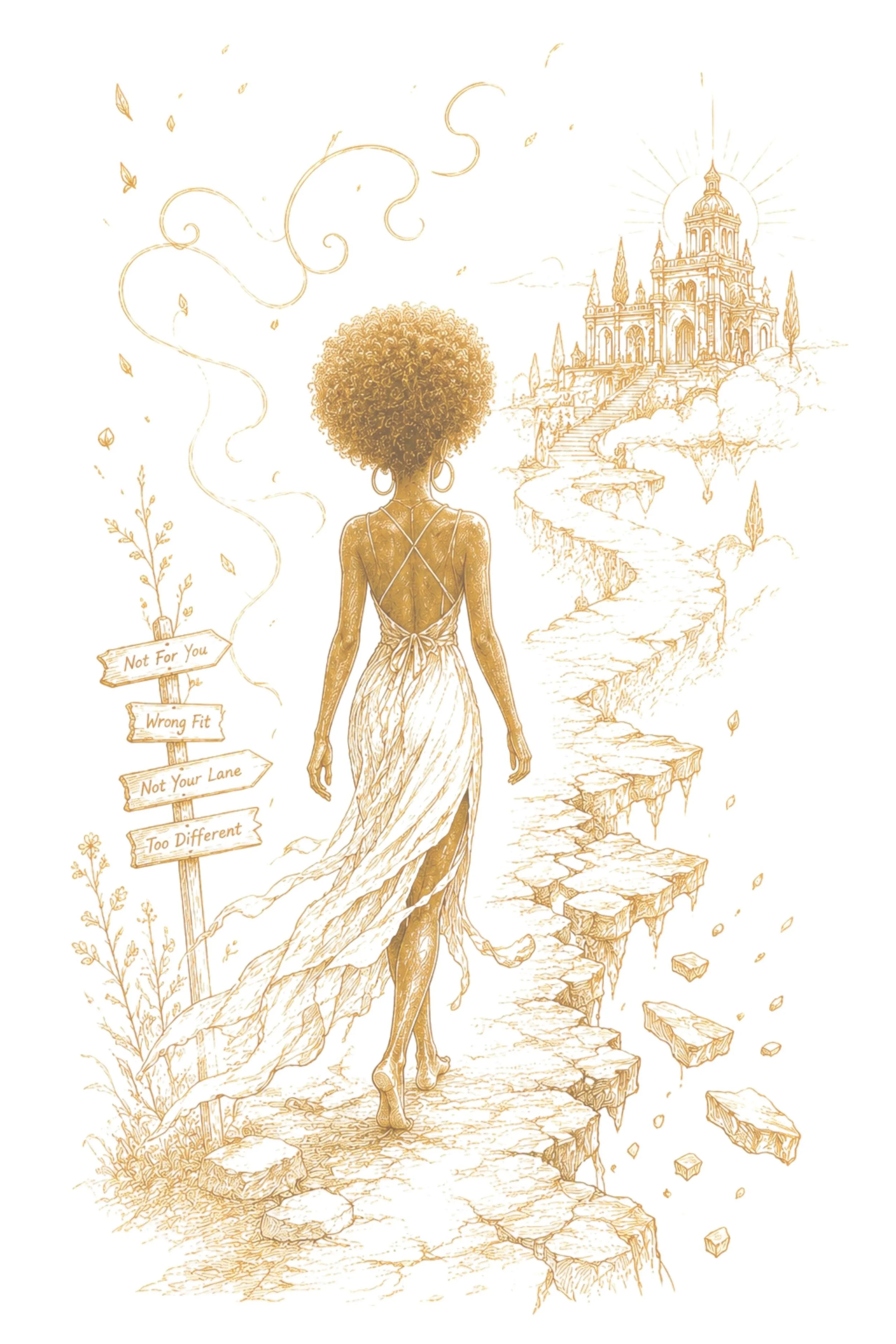
When the Dream Isn’t Built for You
When the Dream Isn’t Built for You is a reflection on belonging in systems not designed with everyone in mind. Moving through Switzerland, Hami examines how language, opportunity, and visibility are unevenly distributed, and how the constant call to “just learn German” often masks deeper structural barriers. Rather than framing exclusion as personal failure, the piece explores what it means to keep building anyway, to create mirrors where none exist, and to redefine belonging on one’s own terms.
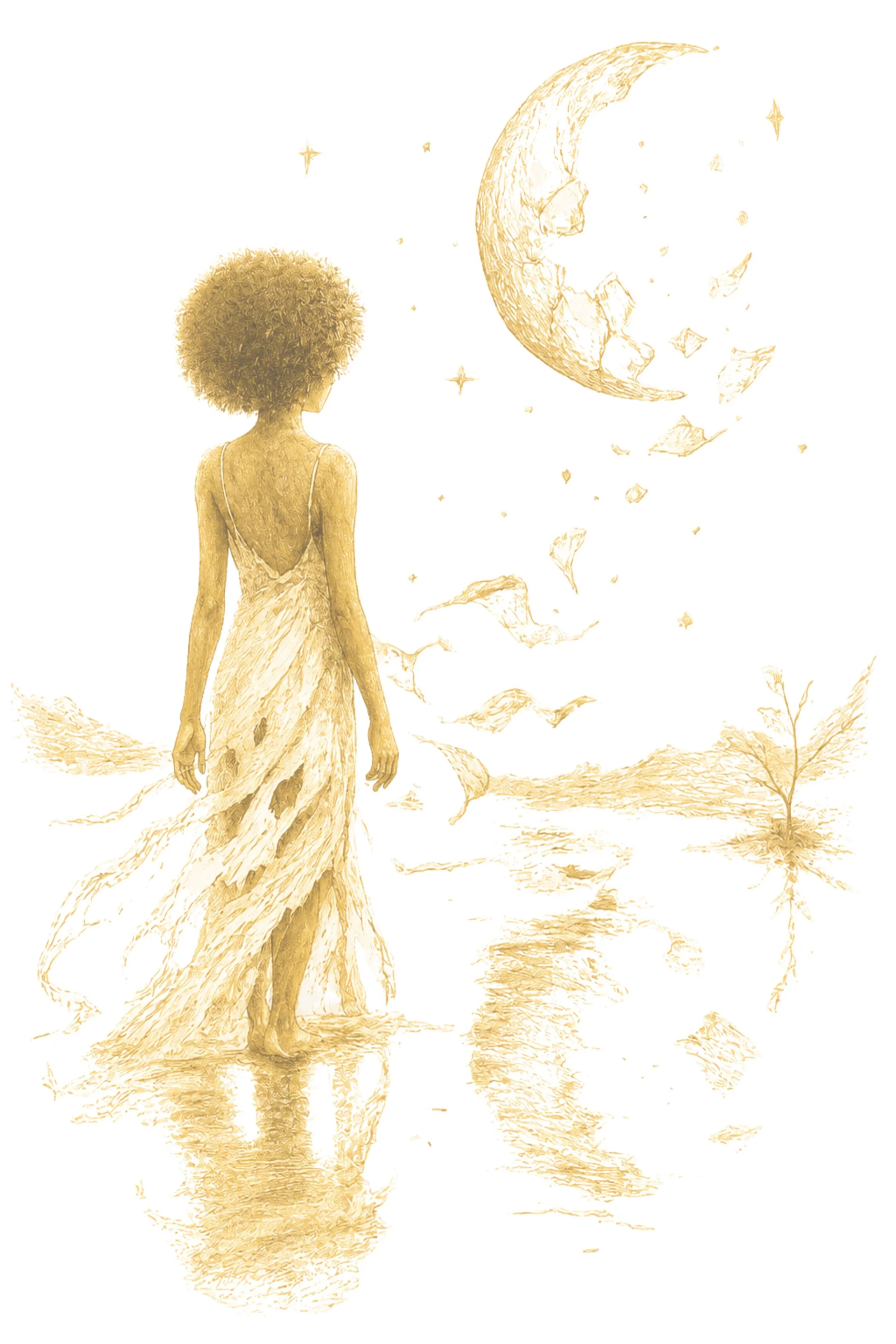
Will I Ever Feel Whole?
Will I Ever Feel Whole? is an inward reflection on identity, language, and the experience of living between versions of oneself. Rather than focusing on systems or access, the piece explores the quieter work of self-recognition — learning to feel whole without fluency, permission, or external validation, and finding belonging first within oneself.
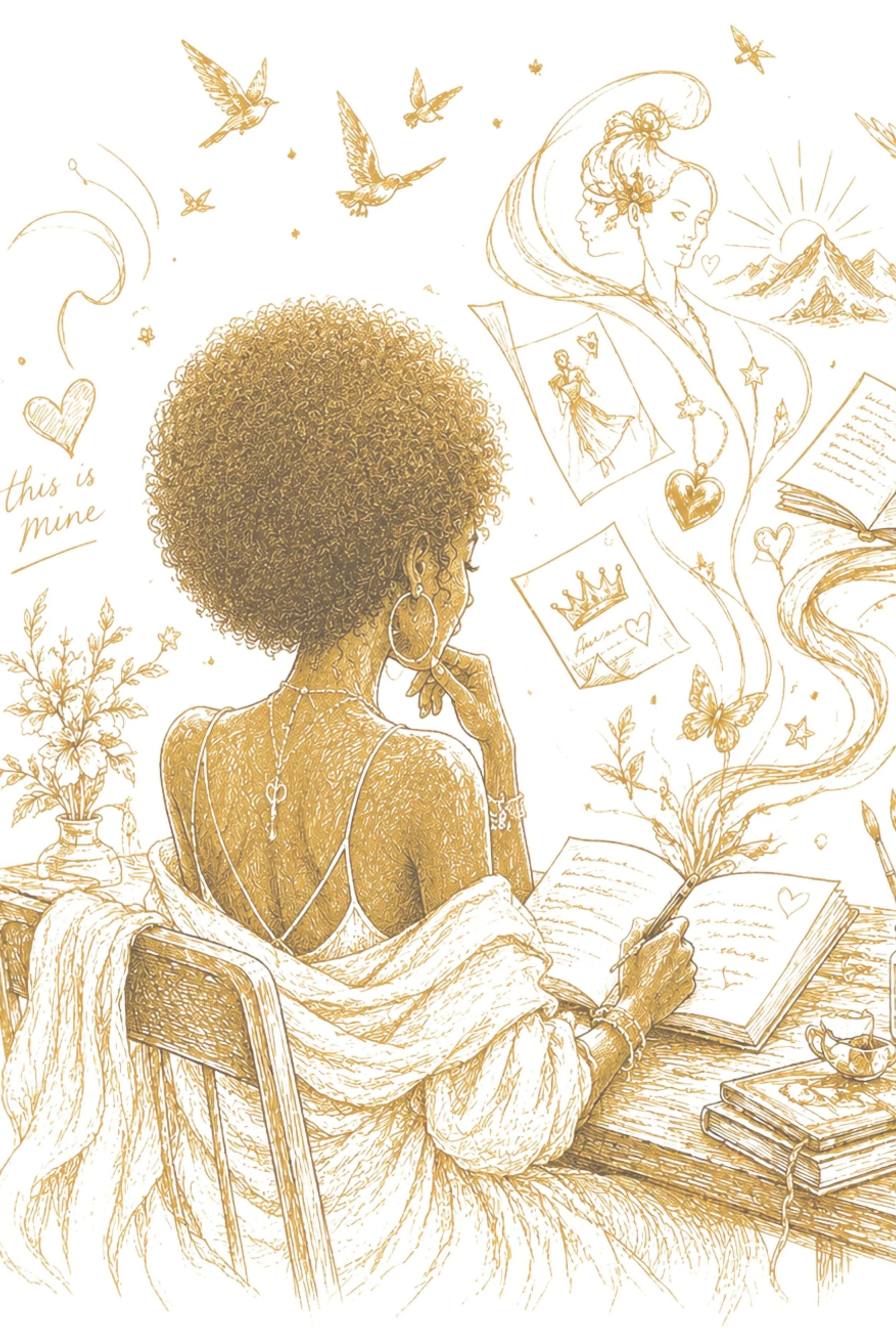
A Creation That Spoke First to Me
A Creation That Spoke First to Me reflects on the conversations women are rarely given space to have — about bodies, care, sexuality, and self-knowledge. Through motherhood and creation, Hami explores what it means to speak openly with her daughters, with other women, and with herself, and how making something honest can become a way of passing truth forward.
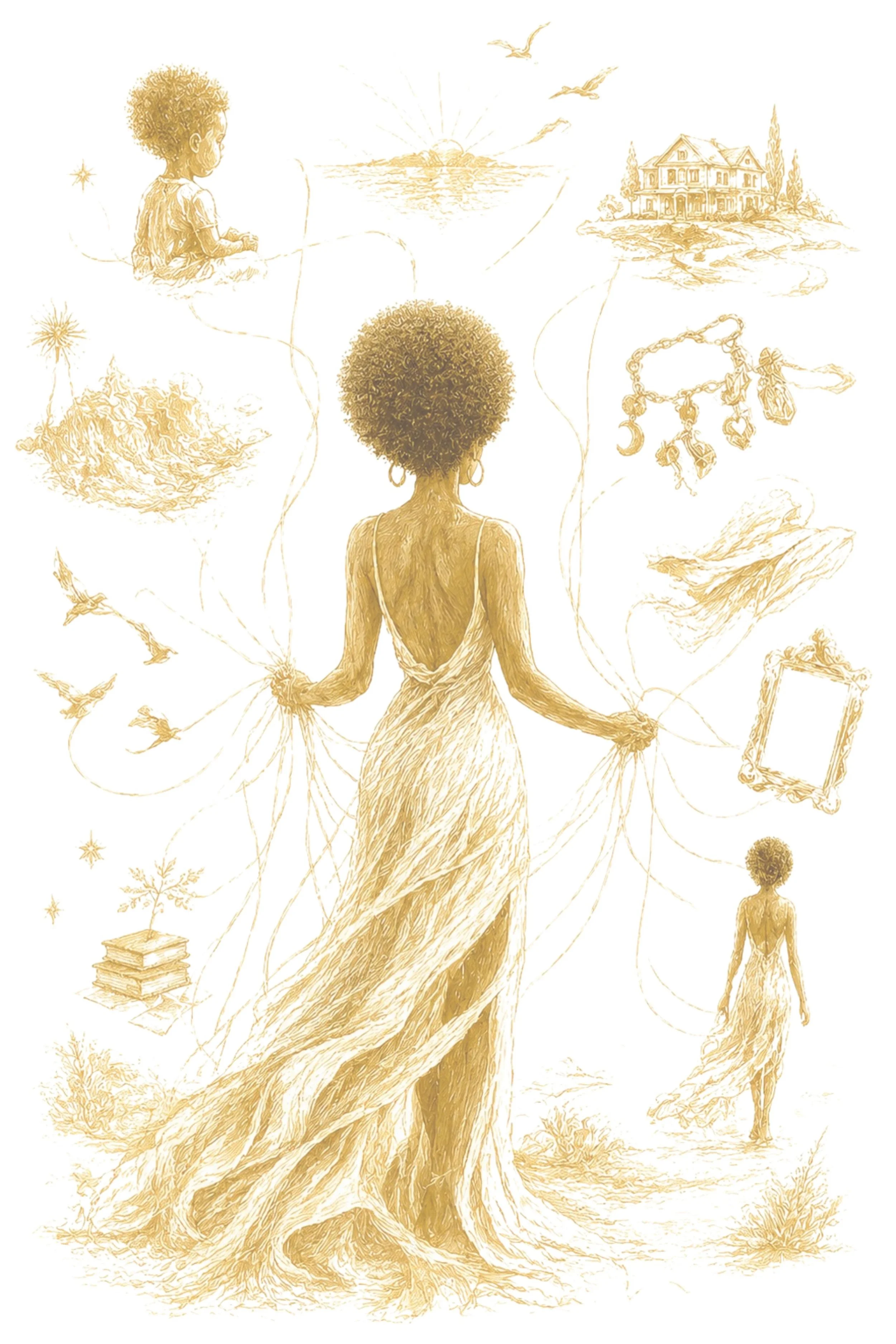
The Cost of Wanting More
The Cost of Wanting More explores ambition through the lens of motherhood, migration, and financial dependence. Hami reflects on what it means to want security, ownership, and forward movement while standing on ground that does not fully belong to you. The piece questions narratives of gratitude and sacrifice, and examines the emotional and structural cost of building something of your own when ambition has no clear place to land.